Public Lectures
"World History and the African Migration Simulation"
Patrick Manning, University of Pittsburgh
2006 Pauley Symposium: History in the Digital Age
Friday, September 22, 2006, 7:30pm
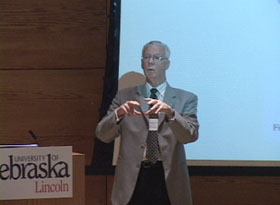
About the PresenterPatrick Manning is one of the leading historians of World and African History. He is Andrew W. Mellon Professor of World History at the University of Pittsburgh and the editor of the World History Network, an online journal and producer of scholarly analysis, curriculum, and data. Manning trained as an economic historian of Africa, has continued to work in that area and has also applied the lessons of African historiography to studies of the African diaspora and world history. He directed the World History Center at Northeastern University from 1994 until its closure in 2004. He was project director for "Migration in Modern World History, 1500-2000," a CD-ROM produced at the center. He has since published Navigating World History: Historians Create a Global Past, and Migration in World History. His current book projects include an interpretation of the African diaspora and a demographic analysis, African Population in the Slave-Trade Era. A John Simon Guggenheim Fellow, Dr. Manning has held numerous National Endowment for the Humanities (NEH) and Annenberg Foundation grants for his research and teaching. View Portions of the PresentationPortions of this lecture are hosted on the Digital History Project's YouTube Channel and open in a new window. View excerpts of "World History and the African Migration Simulation." |
BlogView a live-blogged entry about this presentation. LinksThis presentation included material from: EssayAn essay based upon ideas presented in this lecture and separately edited for print publication is available. InterviewThis presenter participated in our ongoing series of Digital History interviews. |